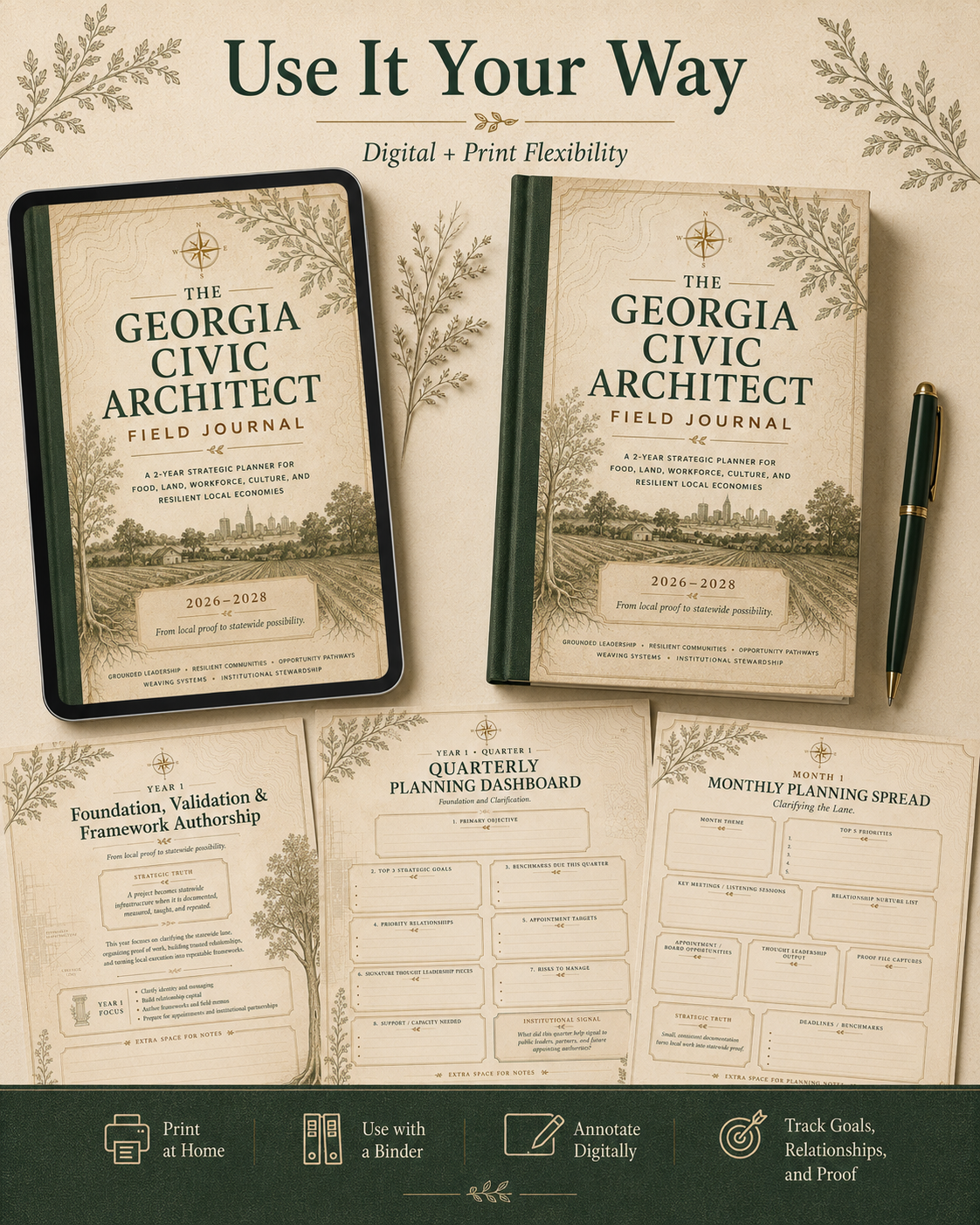
Many of us are doing important work in our neighborhoods, nonprofits, churches, schools, markets, civic groups, small businesses, coalitions, and creative communities. But too often, the work lives in our heads, in scattered notebooks, in text messages, in event flyers, in social media posts, or in memories.
Read MoreBut as Augusta talks about data centers, industrial uses, infrastructure, and future growth, we should also make room for another type of land use: urban agriculture.
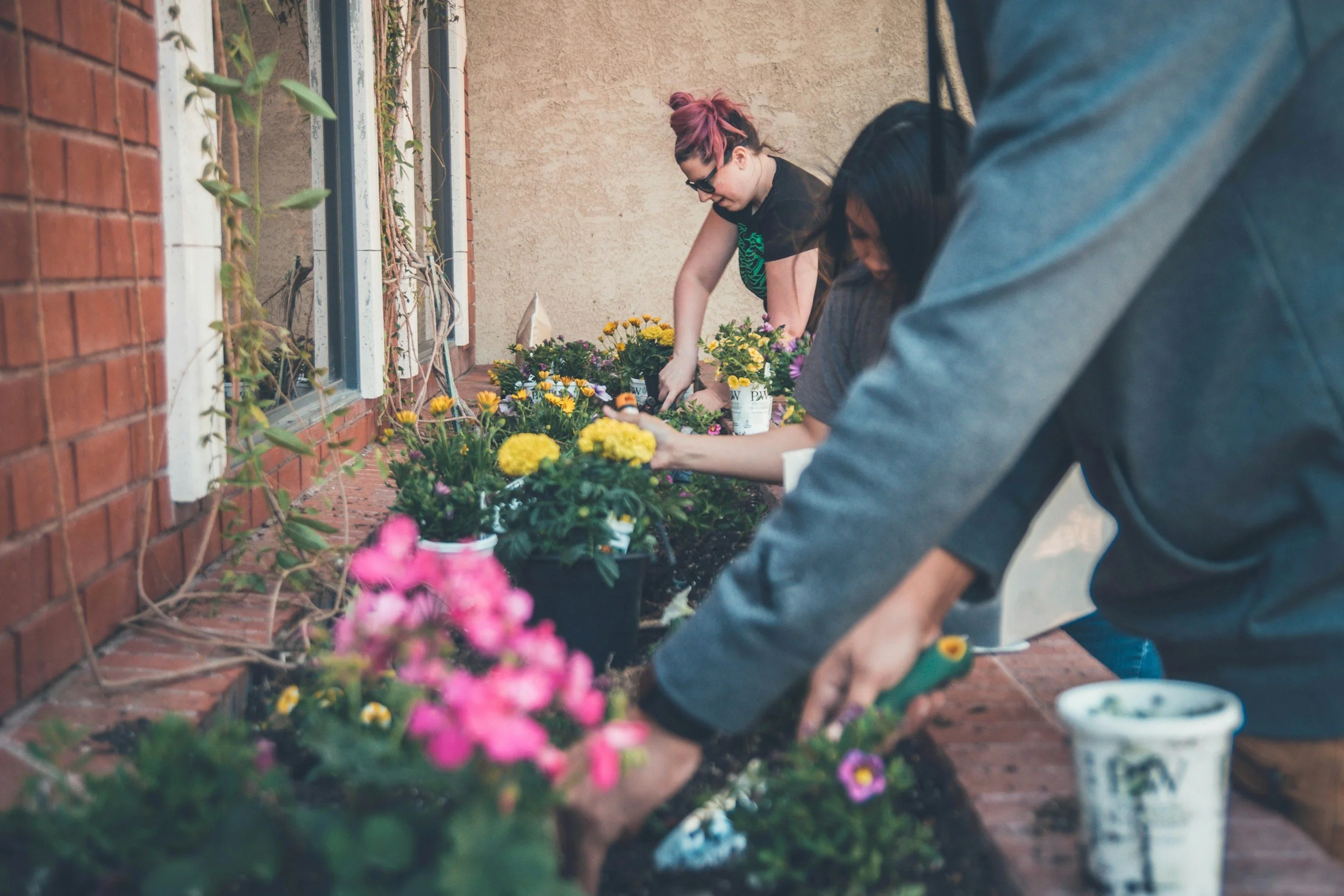
Read MoreIf you care about the future of Augusta, don't wait until the next election to get involved. Attend a neighborhood meeting. Volunteer for a community project. Introduce yourself to your neighbors. Strong neighborhoods don't happen by accident - they are built by residents who choose to participate.
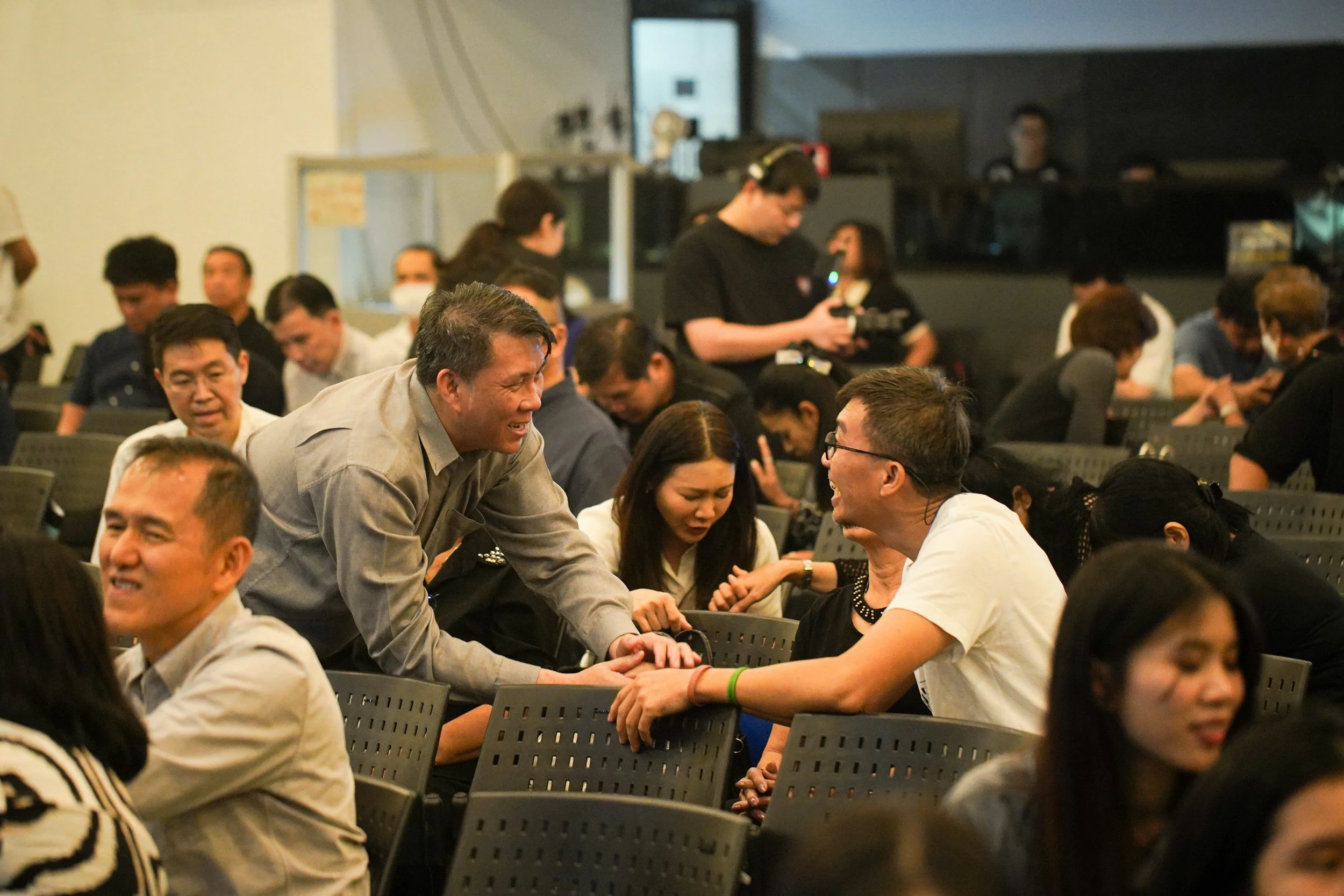
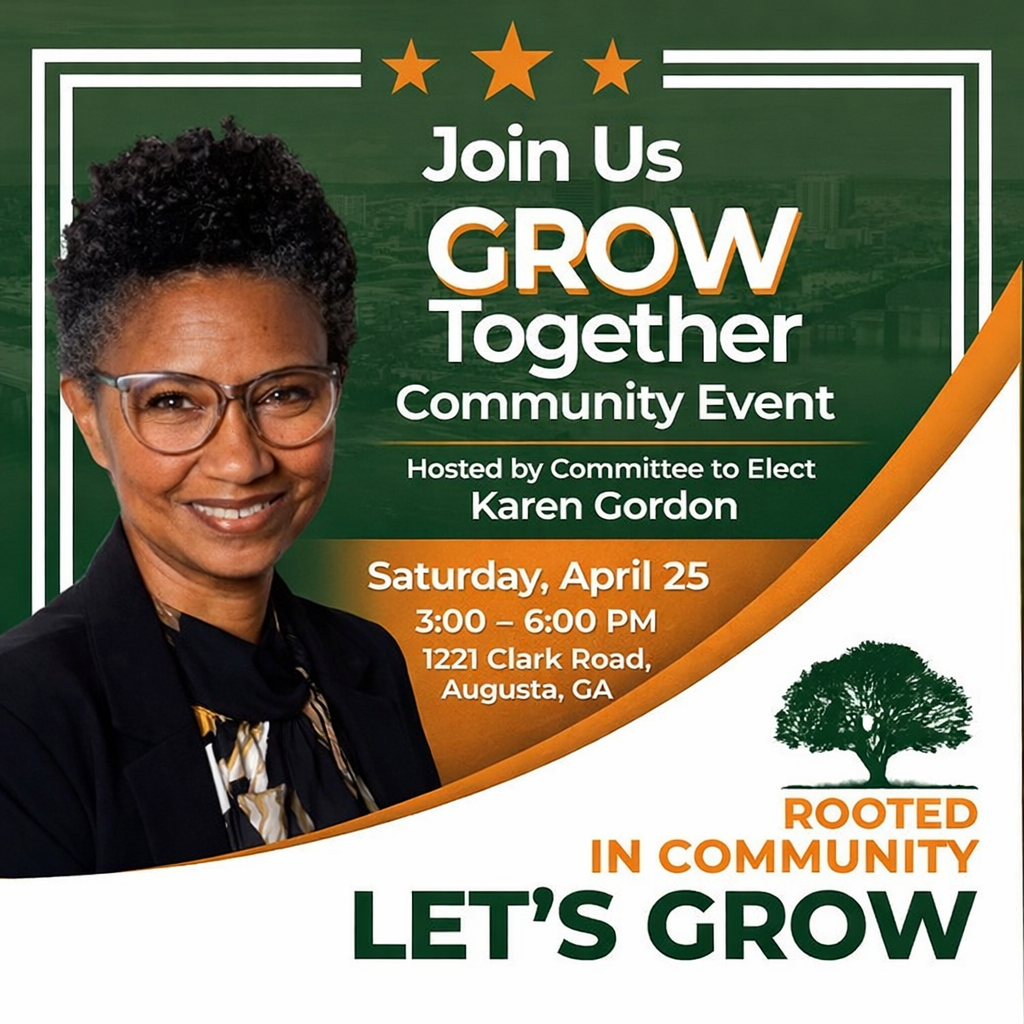
Read More“This event is about bringing people together—business, workforce, and community—to focus on real opportunity,” said Gordon. “We have the talent and potential right here. The goal is to better connect those resources so our community can grow and not be overlooked.”
Read MoreDuring my work with Cross Creek, I helped revise and update agriculture curriculum to include more business development and entrepreneurship. That mattered because agriculture education should not end with production. Students also need to understand how ideas become income, how enterprises are built, and how classroom learning connects to real opportunity.
Read MoreThis legislative session, the Georgia House introduced HR 1656, a resolution to create the House Study Committee on School Nutrition, Student Food Security, Georgia Agriculture, and Student Success. The resolution was filed in March and moved through first and second readers, putting this conversation squarely on the legislative table.
Read MoreFrom church choirs and jazz stages to front porches, festivals, and songwriter circles, music has long been part of the heartbeat of this community.
Read MorePolicy takeaway: food access strategies are strongest when funding supports both immediate relief and community-scale food infrastructure, rather than forcing programs to compete with one another.
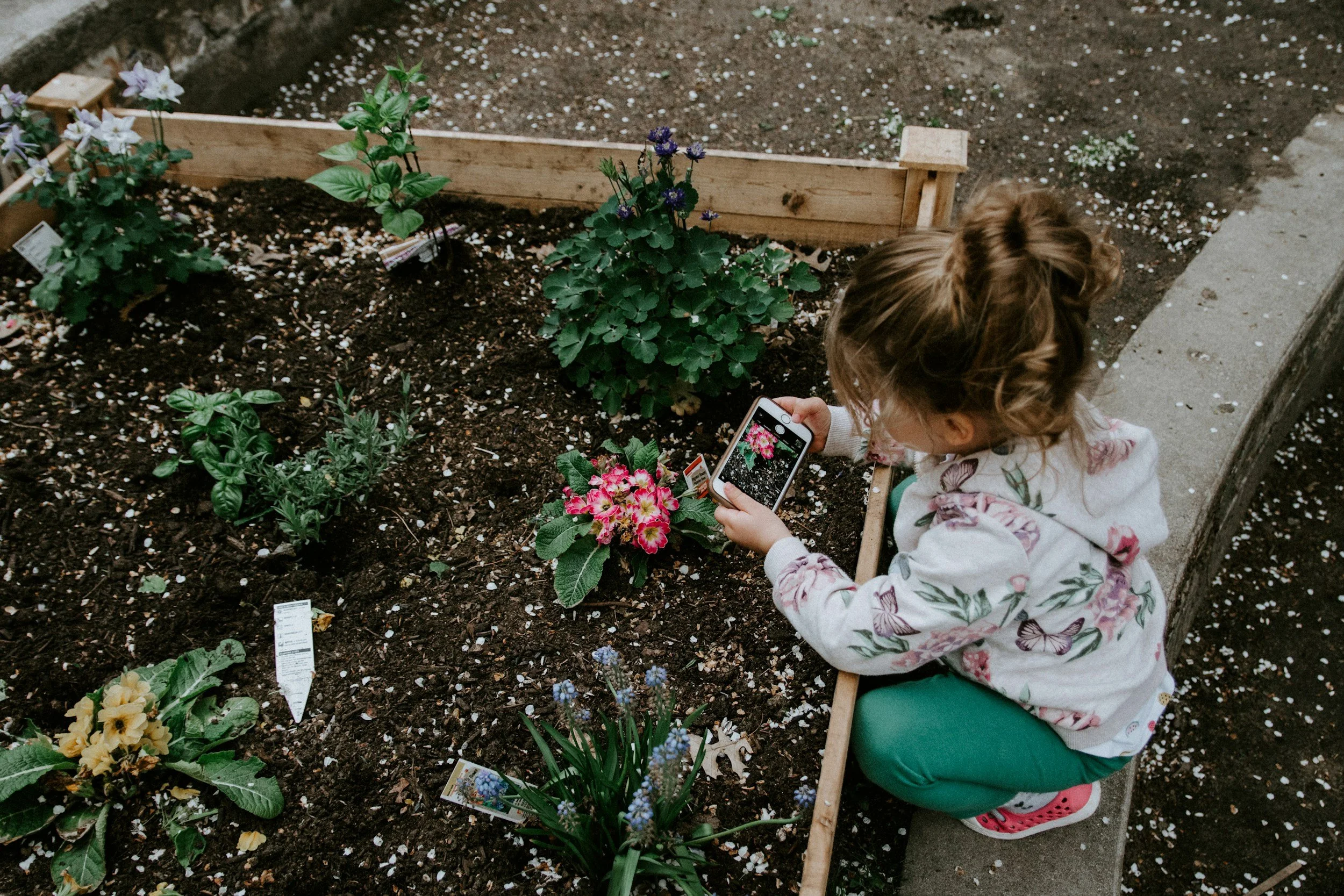
Read MoreThese were students enrolled in an agriculture class, and for many of them, the idea that food could come from their own hands—outside of a store, outside of a job, outside of a price tag—had simply never been introduced. That wasn’t a failure of curiosity. It was a failure of exposure.
Read MoreThe Urban Agriculture Career Cluster is a forward-thinking initiative designed to unlock this potential. It is more than a curriculum about farming; it is a dynamic ecosystem designed to cultivate homegrown talent, launch green-collar careers, and build a more equitable, self-reliant urban future.
Read More