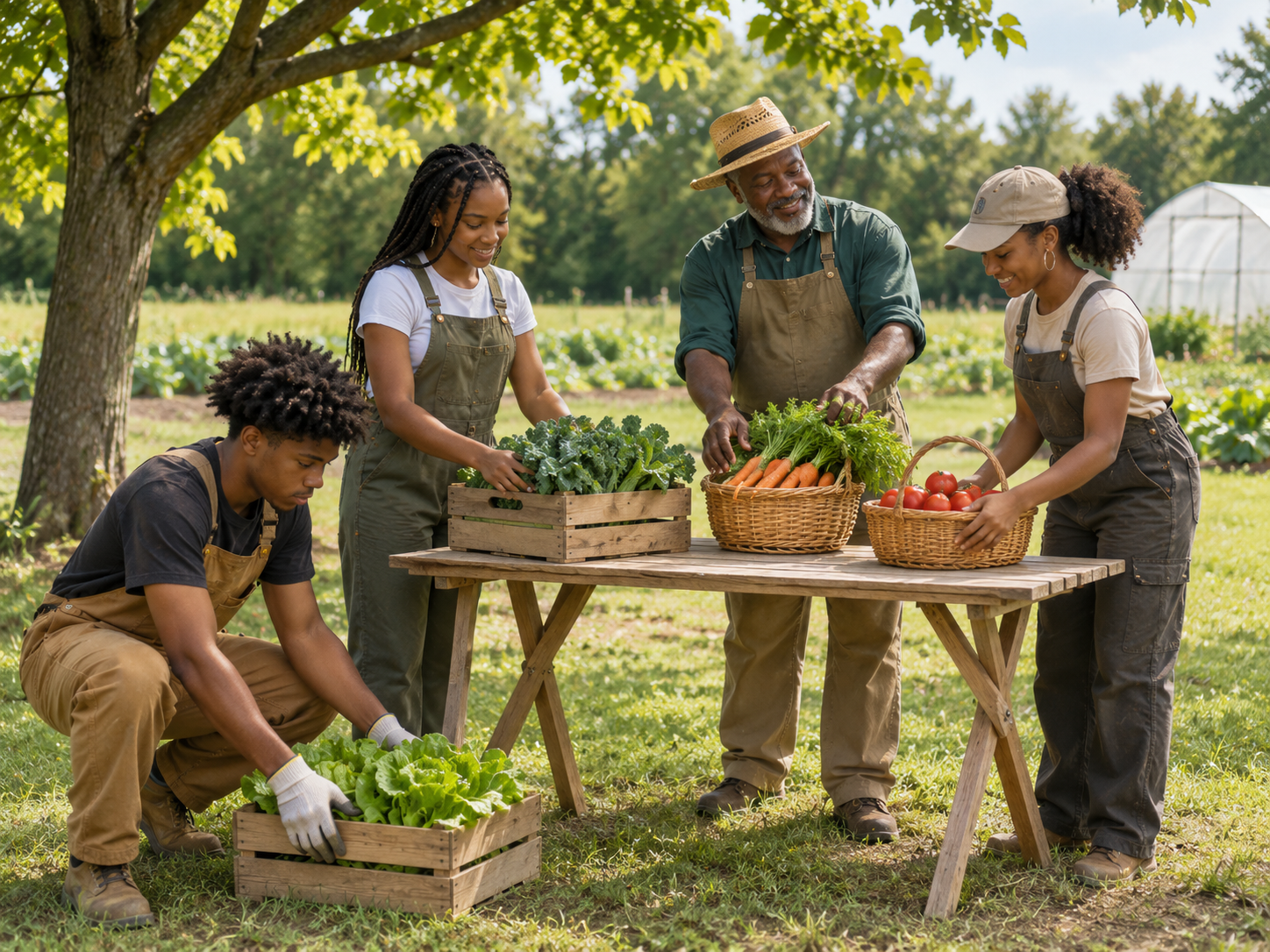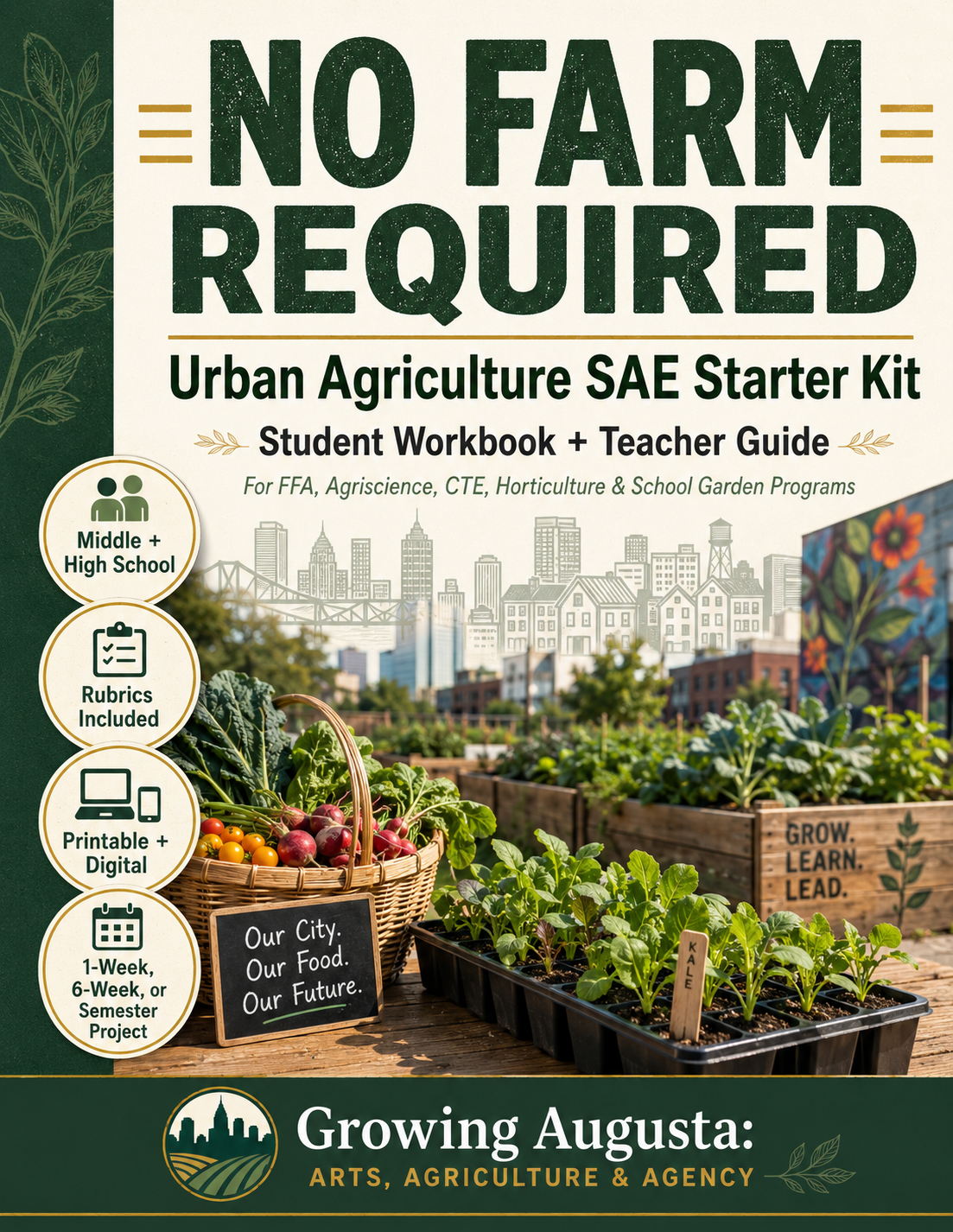
Need SAE projects for students who don't live on a farm? Explore 5 practical urban agriculture SAE ideas for FFA chapters and CTE programs.
Read MoreNeed SAE projects for students who don't live on a farm? Explore 5 practical urban agriculture SAE ideas for FFA chapters and CTE programs.
Read MoreYouth exposure to agriculture. Producer visibility. Local markets. Urban agriculture. Food access. Land use. Workforce. Regional food systems.
These are different lanes.
But they are part of the same system.
Read MoreAfter-school programs may be one of the most underused pieces of civic infrastructure we have.
They sit in the space between school, home, workforce, community organizations, employers, colleges, mentors and public agencies. That makes them uniquely positioned to do more than keep young people occupied after 3 p.m.
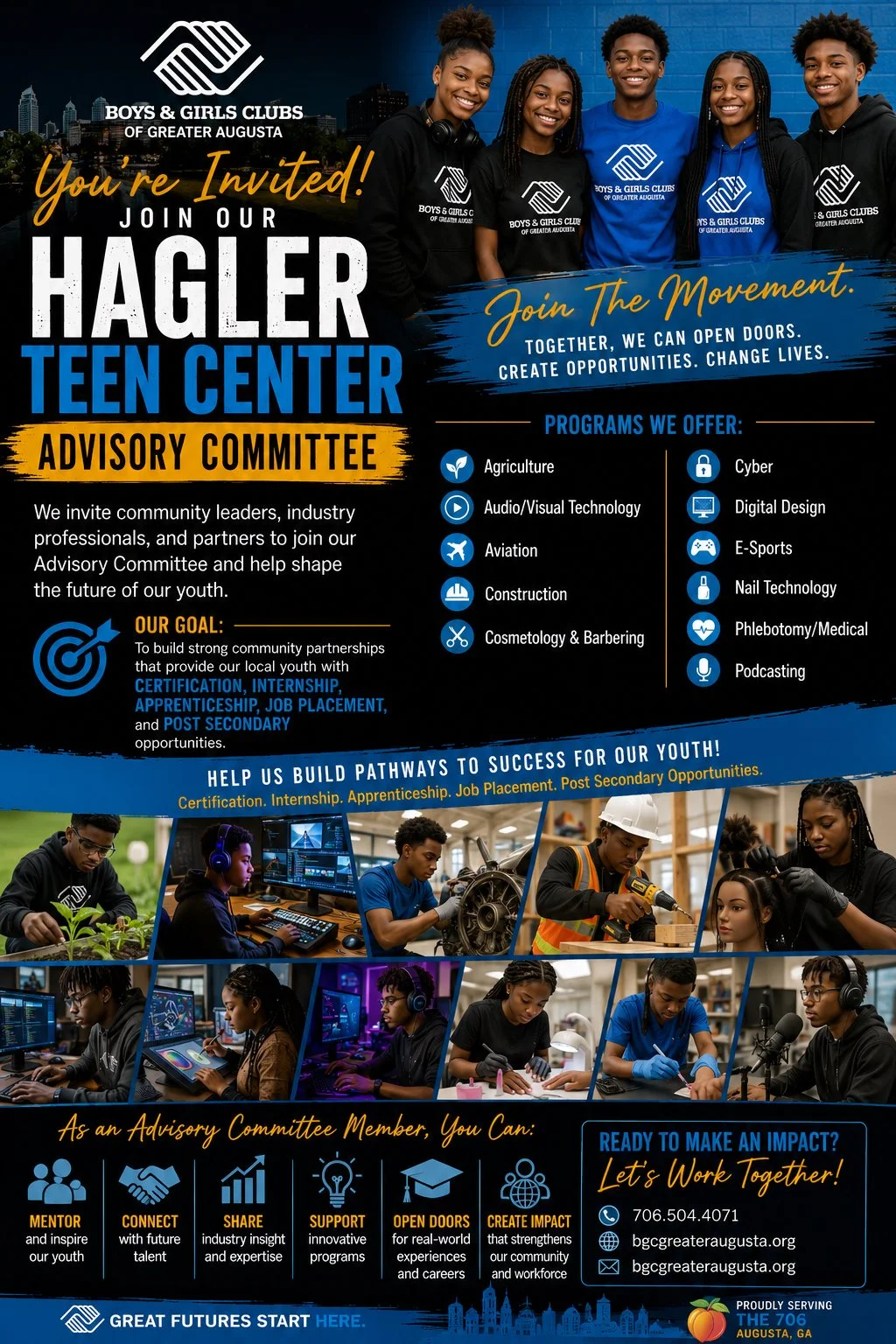
Read MoreOur local farming community has tried for several years to build stronger relationships with FFA programs and agriculture students in Richmond County. We've had mixed results. Enter Chante Luckie and Hagler U.
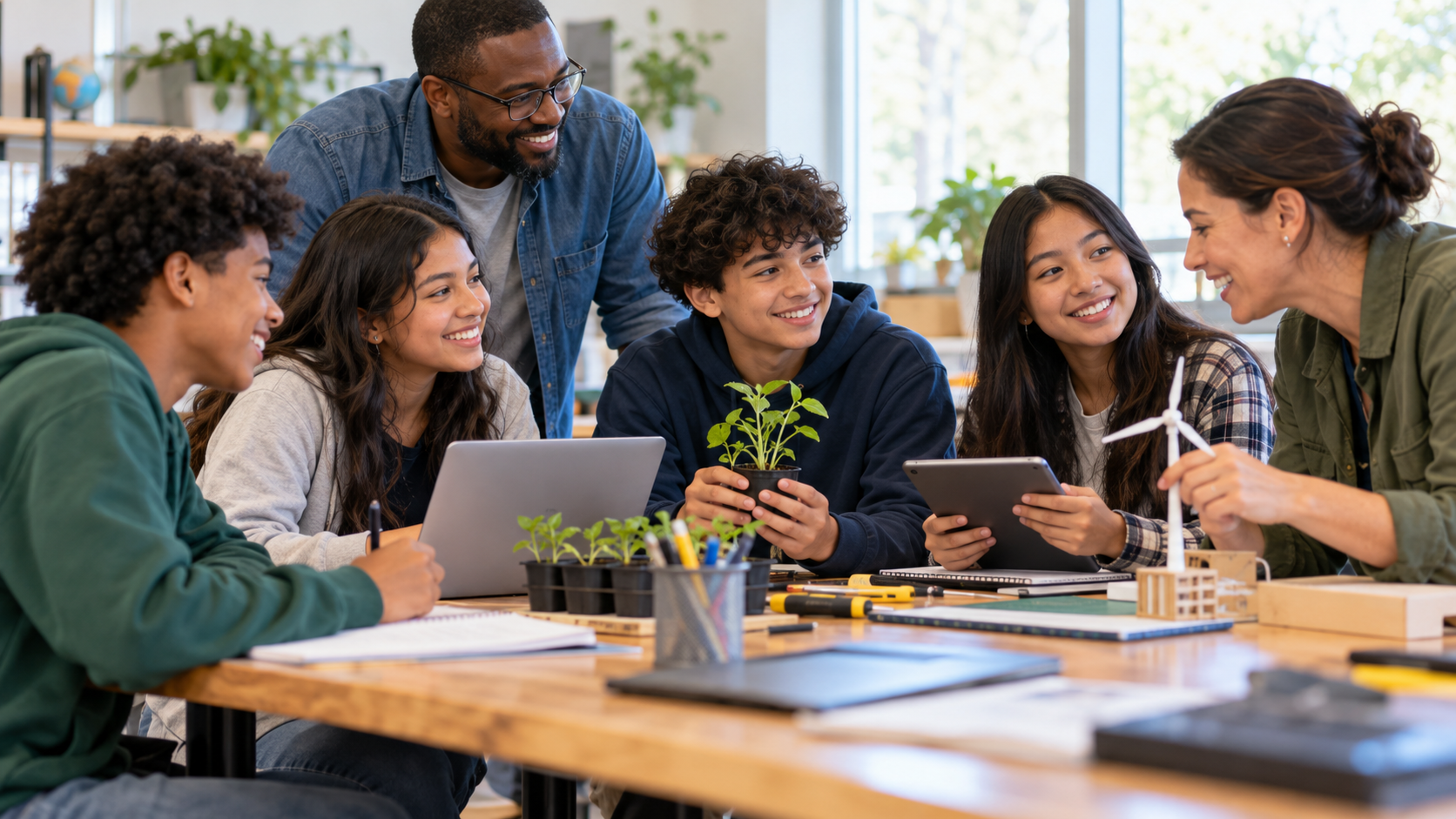
Read MoreThat is where service learning becomes more than volunteering. Students are learning, solving problems, working in teams, communicating with adults, practicing leadership, and seeing how their skills connect to the life of their community.
Read MoreDuring my work with Cross Creek, I helped revise and update agriculture curriculum to include more business development and entrepreneurship. That mattered because agriculture education should not end with production. Students also need to understand how ideas become income, how enterprises are built, and how classroom learning connects to real opportunity.
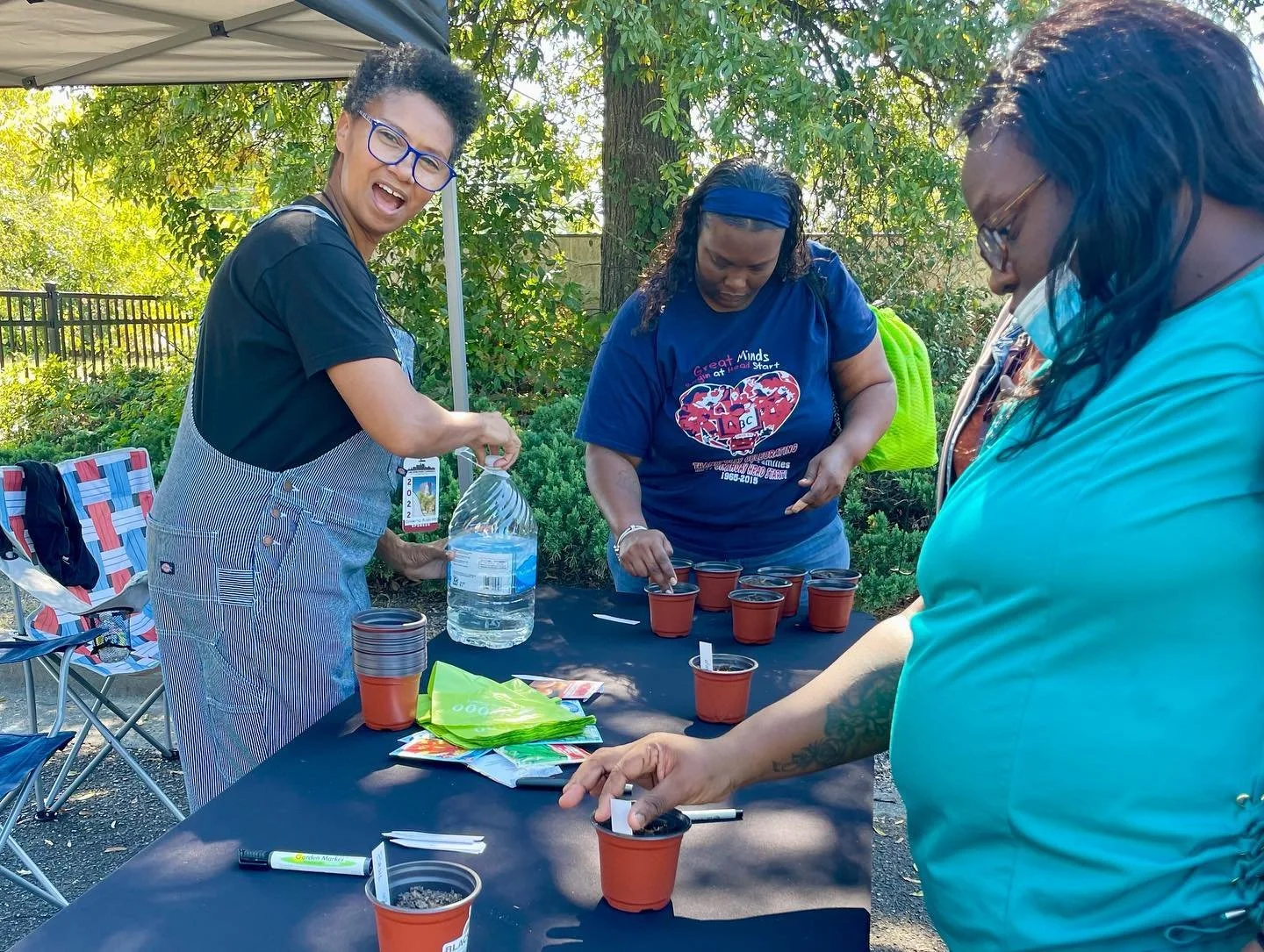
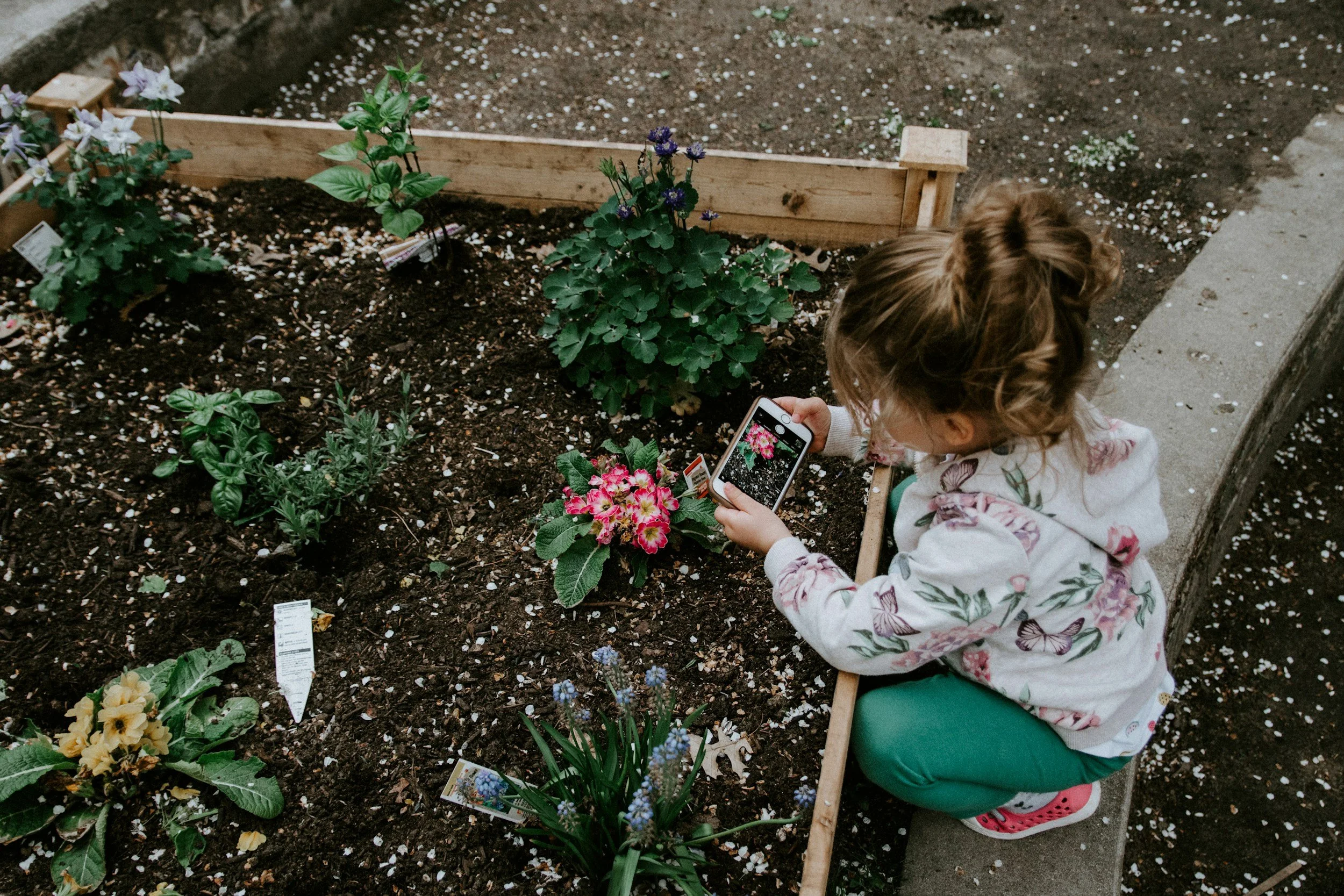
Read MoreThese were students enrolled in an agriculture class, and for many of them, the idea that food could come from their own hands—outside of a store, outside of a job, outside of a price tag—had simply never been introduced. That wasn’t a failure of curiosity. It was a failure of exposure.
Read MoreIt leaves us with a critical question: What could our neighborhoods look and feel like if a generation was empowered with these skills to redesign their own local food systems from the soil up?
Read More