Growing With Joy: Helping Young People See Themselves in Agriculture
When we talk about getting more young people interested in agriculture, we sometimes start with the garden.
Chimere Joy Brown starts with the young person.
That's an important distinction.
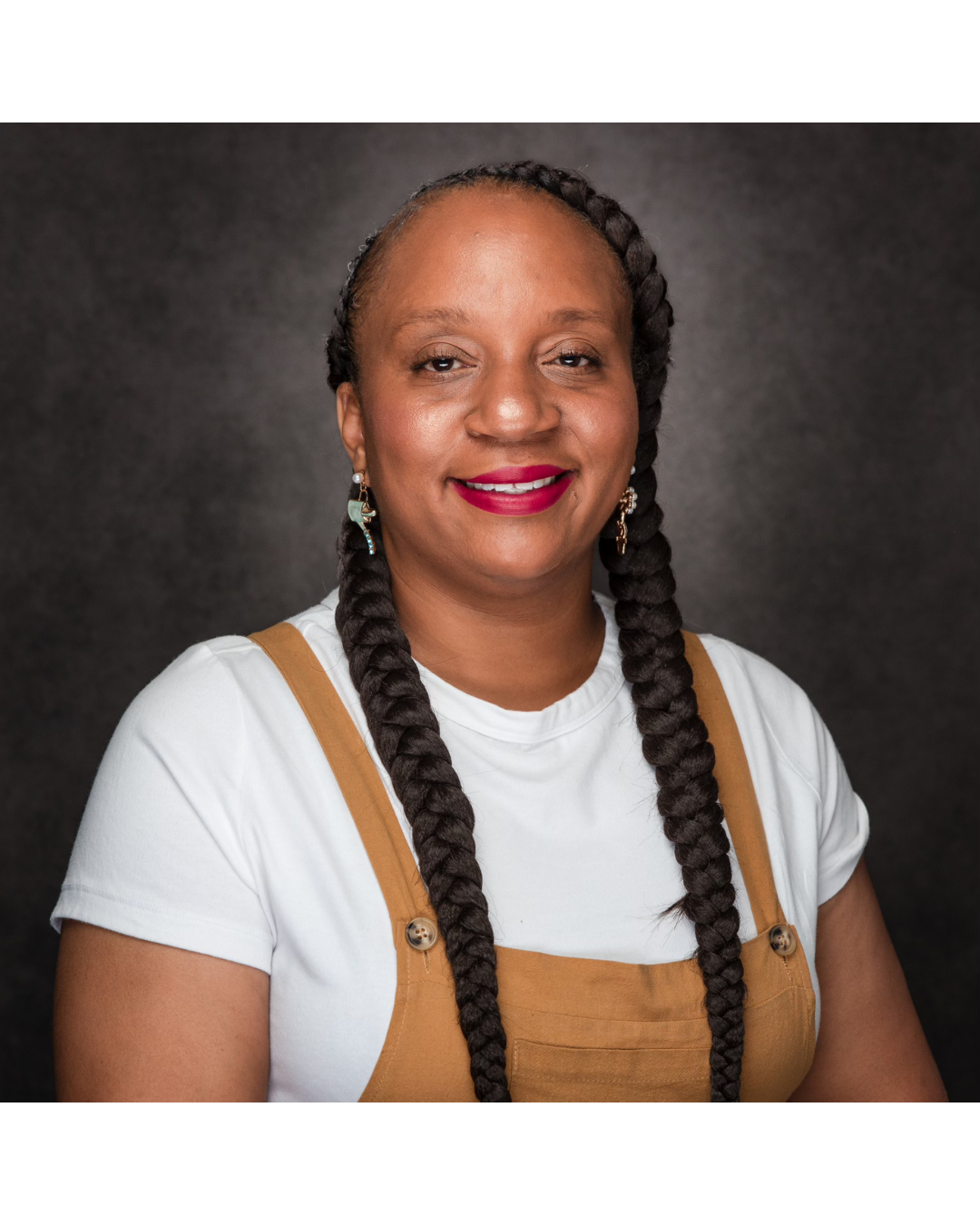
I've watched Joy's work in agriculture grow over the years—from community gardening and 4-H to farmers markets, agricultural advocacy and her continued work creating opportunities for people to experience growing food for themselves.
But underneath all of it is something that may be even more important:
Joy genuinely enjoys helping young people grow.
That makes what she's preparing to bring to the E.W. Hagler Teen Center particularly exciting.
Through Grow with Joy Inc., Joy is helping develop an agricultural education experience that introduces teens not simply to gardening, but to the much larger world surrounding agriculture.
And that matters.
Not Every Child Has to Become a Farmer
One of the things I appreciate most about Joy's approach is the understanding that agriculture is big enough to hold many different kinds of young people.
The child fascinated by science belongs.
The entrepreneur belongs.
The student who loves technology belongs.
The future veterinarian belongs.
The photographer, marketer and storyteller belong.
The young person concerned about the environment belongs.
And yes, the child who discovers that putting their hands in the soil is exactly where they want to be belongs, too.
Not every child has to love gardening to benefit from agriculture.
That idea opens an entirely different conversation about agricultural education.
Instead of asking only, How do we teach young people to grow food?, we can ask:
How can agriculture help young people discover what they're good at?
A garden can become a science laboratory.
A harvest can become a lesson in economics.
A soil test can introduce environmental science.
Selling something students helped produce can teach pricing, marketing and customer service.
A conversation with an agricultural professional can reveal a career a teenager didn't know existed.
The garden becomes the starting point rather than the destination.
From Exposure to Possibility
That philosophy is particularly important as Augusta thinks more seriously about workforce development.
Young people cannot pursue careers they've never encountered.
And agriculture suffers from an image problem of its own. Ask a teenager to picture an agricultural career and many will still imagine one occupation: farmer.
But today's agricultural economy reaches into science, technology, conservation, logistics, food systems, business, communications, public policy, nutrition and many other fields.
Joy understands that.
She also understands something that can't be taught from a curriculum guide: relationships matter.
Young people need opportunities to meet people actually doing the work—to ask questions, see workplaces, try things, make mistakes and begin imagining themselves in places they may never have considered.
That is where community-based agricultural education can be especially powerful.
The Right People Matter
We talk a lot about programs.
I'm increasingly interested in the people behind the programs.
The right adult can change the trajectory of a young person's life simply by noticing something in them, introducing them to someone, inviting them into an experience or saying, You might be good at this.
Joy brings agricultural knowledge to this work.
She brings community relationships.
She brings experience creating spaces where people can learn by doing.
But she also brings something harder to put into a program description:
She believes young people are capable of more than we sometimes give them opportunities to demonstrate.
And now she has another place to put that belief into practice.
The agricultural programming being developed at Hagler is still taking shape, and there will be plenty of time to share more as the work unfolds.
For now, I'm simply excited about the possibility.
Because perhaps the most important crop we grow in Augusta won't be measured in pounds.
It will be measured in young people who can someday say:
“That's where I discovered something I didn't know was possible for me.”
And knowing Joy, I suspect she'll be somewhere nearby, encouraging them to keep growing.